Written by Mark Munnelly ACA, Director, Cubed Consultancy · Updated October 2026
If your business property has a rateable value between £12,000 and £18,000, the Budget on 28 October 2026 could take your business rates bill to zero. LBC reported this month that the Chancellor plans to raise the small business rate relief threshold, which would cover around 75,000 properties in England, from shops and cafés to pubs and salons.
Nothing is confirmed until the Chancellor stands up, so it is worth knowing where your property sits before then.
Business rates and the Budget: key facts (October 2026)
- Small businesses in England pay no business rates on a property with a rateable value of £12,000 or less. Relief tapers to zero at £15,000 (GOV.UK).
- The Chancellor is expected to raise that threshold to £18,000 in the Budget on 28 October 2026 (LBC, October 2026).
- About 75,000 properties would stop paying business rates, including around 40,000 shops and more than 2,500 pubs (LBC, October 2026).
- Since April 2026, small retail, hospitality and leisure properties use a 38.2p multiplier, against 43.2p for other small properties (GOV.UK).
- The Federation of Small Businesses wants the threshold raised to £25,000. It says 28% of small employers would then hire more staff (FSB, 13 October 2026).
What is happening to business rates in the Budget?
Business rates are expected to go down in the Budget for many small businesses in England, although the government has not confirmed it yet. LBC reported in October 2026 that the Chancellor plans to raise the point where small businesses start paying rates.
LBC reports that the threshold for full small business rate relief would rise from £12,000 to £18,000 of rateable value. The policy follows a pledge by the Prime Minister over the summer to give pubs and small businesses “breathing room”. LBC also reports that Andy Burnham has floated a threshold of £21,000 over time.
Until the speech on 28 October, these are reports rather than announcements. The final figure and the start date will only be clear from the Budget documents. So will any change to the taper above the threshold.
What is the small business rates relief threshold in 2026?
The small business rates relief threshold in England in 2026 is a rateable value of £12,000. A business pays no business rates on a property worth £12,000 or less (GOV.UK). This applies if it is the only property the business uses.
Between £12,001 and £15,000, the relief falls gradually from 100% to nothing. GOV.UK gives two examples. A property with a rateable value of £13,500 gets 50% off the bill, and one at £14,000 gets 33% off. Above £15,000, there is no small business rate relief.
The FSB points out that these thresholds have not changed for almost 10 years.
Some businesses with more than one property can still qualify. A business that took on a second property on or after 27 November 2025 keeps relief on its main property for 36 months. Before that date, the period was 12 months (GOV.UK).
Which businesses would benefit from a higher business rates threshold in the Budget?
Small businesses whose only property has a rateable value between £12,000 and £18,000 would benefit most from a higher business rates threshold. Under the reported plans, those properties would move from paying full or part rates to paying nothing.
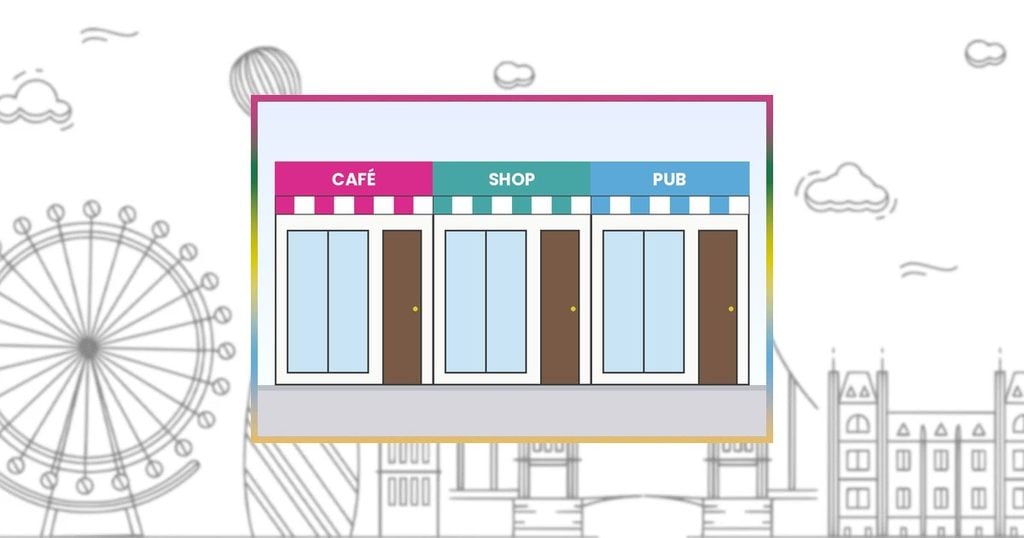
LBC reports that the change would cover around 75,000 properties in England. That includes about 40,000 shops, more than 2,500 pubs, 2,000 salons, 1,600 cafés and 1,600 village halls.
Here is an invented example to show the difference. A café with a rateable value of £16,000 uses the 38.2p multiplier. Its bill before relief is £6,112 a year. Today, it gets no small business rate relief, because £16,000 is above the £15,000 cut-off. If the threshold rises to £18,000 as reported, the café’s bill would fall to nothing.
A second invented example: an office with a rateable value of £17,000 uses the 43.2p multiplier. Its bill before relief is £7,344 a year, and it would also fall under the reported new threshold.
Businesses already below £12,000 pay nothing today, so the reported change would not alter their bill.
How would the government pay for lower business rates in the Budget?
The government is expected to pay for lower business rates on small properties by raising tax on online retailers. LBC reports this, but gives no details of how the tax would work or how much it would raise.
What are the business rates multipliers for 2026 to 2027?
The business rates multipliers for 2026 to 2027 in England depend on rateable value and type of business. A multiplier is the amount per pound of rateable value that a business pays before any relief.
The 2026 to 2027 multipliers are (GOV.UK):
- 43.2p for most properties with a rateable value below £51,000
- 48p for most properties with a rateable value from £51,000 to £499,999
- 38.2p for retail, hospitality and leisure properties below £51,000
- 43p for retail, hospitality and leisure properties from £51,000 to £499,999
- 50.8p for all properties with a rateable value of £500,000 or more
The lower retail, hospitality and leisure multipliers started in April 2026. They replaced the separate relief for those businesses in 2025 to 2026. In 2025 to 2026, the standard multiplier was 55.5p and the small business multiplier was 49.9p. Many smaller properties therefore already pay less per pound than a year ago.
Shops, restaurants, cafés, pubs, gyms and hotels can check with their local council whether their property uses the lower multipliers.
What do small businesses want from the Budget on business rates?
Small businesses want a bigger rise in the business rates threshold than the one reported. On 13 October 2026, the Federation of Small Businesses asked the Chancellor to raise it to £25,000. The FSB says that would take at least 250,000 more small businesses out of paying rates.
The FSB’s survey found that 28% of small employers would hire more staff if small business rate relief were expanded. A further 26% would increase pay or benefits. Among sole traders, 11% would consider taking on a first member of staff.
The survey also shows how much the relief matters. Over a third (36%) of small businesses called it essential or important. That rose to 49% in retail and 47% in accommodation and food.
The reported £18,000 threshold would go part of the way towards the FSB’s request. The FSB has also asked for a larger Employment Allowance and help with energy bills.
Will the business rates changes apply in Scotland, Wales and Northern Ireland?
No, the reported business rates changes would apply in England first (LBC). Scotland, Wales and Northern Ireland run their own business rates systems. Each has different multipliers and reliefs, and GOV.UK points businesses there to separate rules.
Businesses with property outside England should check the rules for that nation. They should not assume an English change applies to them.
What should business owners do before the business rates Budget announcement?
Business owners should check their property’s rateable value and current relief before the business rates Budget announcement. That way, they can work out quickly whether any change applies to them. The rateable value appears on the business rates bill from the local council.
Three checks are worth doing now:
- Find the rateable value of each property and note whether it sits between £12,000 and £18,000.
- Check the bill shows the right multiplier, especially for retail, hospitality and leisure businesses.
- Check whether small business rate relief appears on the bill, and whether a second property affects it.
It makes sense to avoid big decisions, such as taking on new premises, based only on reported plans. The figures can change on Budget day.
For the wider picture of tax changes expected on 28 October, see our Autumn Budget 2026 tax predictions. Our tax advisers in Harpenden can help businesses work through what the Budget means for their costs.
Frequently asked questions
When is the Budget in 2026?
The Autumn Budget 2026 is on Wednesday 28 October 2026. Chancellor John Healey will deliver it in the House of Commons. The full Budget documents appear on GOV.UK the same day.
When would a new business rates threshold start?
A new business rates threshold has no confirmed start date yet. The reports describe the policy but not when it would take effect. Multipliers are set for each tax year from April, but the actual start date will only be clear from the Budget documents.
I already pay no business rates. Will anything change for me?
No, businesses that already pay no business rates are not expected to see their bill change. The reported change raises the threshold, so it helps properties above £12,000 rather than those already below it.
What if small business rate relief is missing from my bill?
If small business rate relief is missing from a business rates bill, contact the local council that sent it. Councils collect business rates and apply relief. Check that only one property is used, or that the second-property rules apply, before getting in touch.
Are the figures in this article from real clients?
No, the figures in this article are not from real clients. The café and office examples use invented rateable values to show how the multipliers and relief work. They are not based on any client’s property or bill.
Will this article be updated after the Budget?
Yes, we will update this article after the Budget on 28 October 2026. The update will cover what the Chancellor actually announces on business rates.
Send us your latest business rates bill and we’ll tell you whether your property falls in the band the reported change would affect. Contact our team.
This article is general information, not advice. It reflects reports and GOV.UK figures as of 20 October 2026.