The Christmas party tax allowance is HMRC’s £150 per head exemption for an annual staff party, and Cubed Consultancy, ICAEW chartered accountants in Harpenden, Hertfordshire, explains here how it works for owner-managed limited companies and their directors. The £150 is a cliff edge rather than an allowance. One staff party also raises three separate tax questions. Do your staff pay tax on it? Can the company deduct it? How much of the VAT can you reclaim? This guide answers all three, then covers Christmas gifts to staff and to clients.
Written by Mark Munnelly ACA, Director, Cubed Consultancy · Updated November 2026
Key facts on Christmas party and gift tax (November 2026)
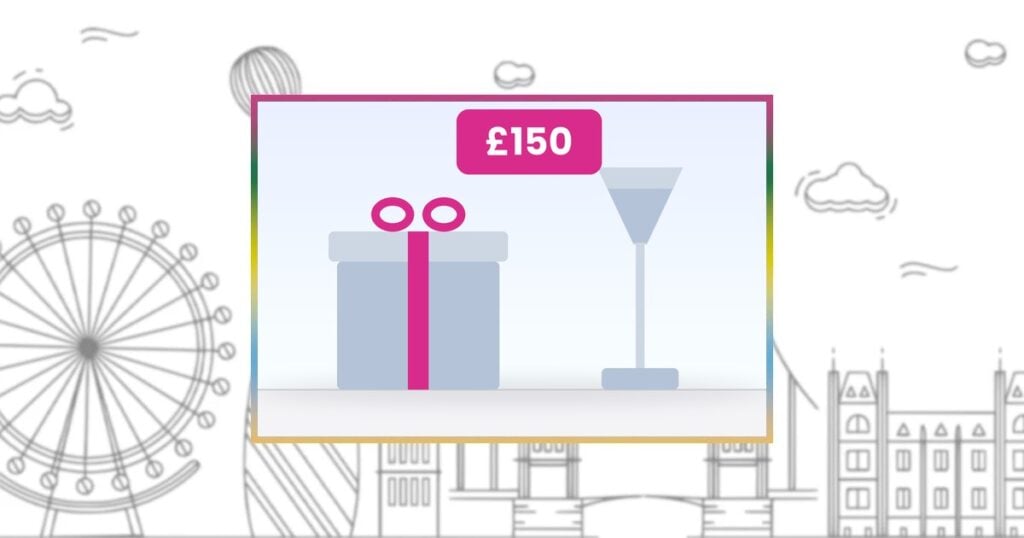
- An annual staff party open to all employees is tax-free for them up to £150 per head, including VAT (GOV.UK).
- Above £150 per head, the whole cost per head is taxable, not just the excess (HMRC EIM21690).
- The £150 limit has not changed since 6 April 2003. The Association of Taxation Technicians calculates that, uprated for inflation, it would have been £280 at the start of 2026/27 (ATT).
- Staff Christmas gifts of £50 or less are tax-free trivial benefits if they are not cash or a cash voucher. Directors of close companies have a £300 annual cap (GOV.UK).
- Client gifts are deductible only if branded, £50 or less per recipient and not food, drink, tobacco or vouchers (HMRC BIM45070).
Is there a Christmas party tax allowance for staff?
Yes, there is a Christmas party tax allowance for staff: an annual staff party is tax-free for employees up to £150 per head. HMRC calls it an exemption rather than an allowance, for reasons covered below. When the party qualifies, you have nothing to report to HMRC and no National Insurance to pay. GOV.UK sets three conditions (GOV.UK):
- The event is annual, such as a Christmas party or a summer barbecue.
- It is open to all your employees, or all staff at one site if you have several.
- It costs £150 or less per person.
Online and virtual parties count too. HMRC’s own example is a virtual Christmas party where every employee gets a hamper to enjoy during the call. At £100 per head, it falls within the exemption (HMRC EIM21691).
The exemption covers employees’ Income Tax and National Insurance only. Corporation Tax and VAT follow their own rules, which we cover below.
How do you work out the £150 per head, including VAT and partners?
You work out the £150 per head by dividing the party’s total cost by everyone who attends, partners and other guests included. The total includes VAT, and any transport or overnight accommodation you provide so people can attend (HMRC EIM21690). You still count the VAT even if your business reclaims it later.
Here is an invented example. A company with 12 staff holds its Christmas party, and 8 of them bring a partner, so 20 people attend. Venue, food and drink cost £2,400 including VAT, and taxis home cost another £300.
| Item | Amount |
|---|---|
| Venue, food and drink (including VAT) | £2,400 |
| Taxis home | £300 |
| Total cost | £2,700 |
| People attending (12 staff and 8 partners) | 20 |
| Cost per head | £135 |
At £135 per head the party is exempt. Dividing by the 12 staff alone would give £225 per head. That is the wrong calculation, and it makes the party look taxable when it is not.
Guests matter in the other direction too. Over the limit, each employee pays tax on their own cost per head and their guest’s as well.
Are Christmas parties tax deductible for a limited company?
Yes, a staff Christmas party is tax deductible for a limited company as staff entertaining (HMRC BIM45033). The cost still has to be wholly and exclusively for the business, which a genuine staff party normally is.
The deduction does not depend on the £150 limit. A party costing £200 per head is still an allowable expense. Your staff will have a taxable benefit, but the company keeps its deduction. HMRC also treats retired staff and employees’ partners as staff here, so their share is deductible too. Staff of other companies in your group are not covered.
The deduction disappears when the staff are there to host clients. HMRC’s test is whether the company would have paid for the event with no guests there (HMRC BIM45034). If the answer is no, it counts as business entertainment and none of it is deductible, including the staff’s share. A Christmas lunch out with a client is the usual example.
What happens if a Christmas party costs more than £150 per head?
If a Christmas party costs more than £150 per head, every employee who attends has a taxable benefit for the full cost. HMRC’s manual puts it plainly: “The figure of £150 is not an allowance” (HMRC EIM21690).
You then have two ways to deal with the tax:
- report it on each employee’s P11D and pay Class 1A National Insurance at 15% for 2026/27 (GOV.UK)
- agree a PAYE Settlement Agreement, so the company pays the tax and your staff get no bill (HMRC BIM45033)
In another invented example, a party costs £160 per head, just £10 over the limit. Each employee now has a £160 benefit. The company pays £24 of Class 1A per head. A basic rate taxpayer pays £32 of Income Tax. An employee who brought a partner has a £320 benefit, which doubles the Class 1A to £48 and their tax to £64. At £150 per head, all of those figures would be nil.
Our bookkeeping and payroll service prepares P11Ds as part of the year-end payroll. Benefit reporting is also changing. Our summary of what the Autumn Budget 2026 means for employers covers the move to payrolling benefits in kind from April 2027.
Can you have more than one staff party and keep the £150 exemption?
Yes, you can have more than one staff party and keep the £150 exemption, if the year’s annual events total £150 per head or less. A £40 summer barbecue and a £105 Christmas party come to £145 per head, so both stay exempt.
Over £150, the events that make best use of the £150 stay exempt. The others become taxable in full (HMRC EIM21690). Take the £135 Christmas party from earlier. Add a £20 per head summer barbecue and the year comes to £155. The Christmas party stays exempt and the barbecue becomes a £20 taxable benefit for everyone who went.
HMRC does not expect you to track which employee went to which event. It does expect a cost per head for each event, so keep the invoices and a headcount.
Separate parties for different teams or offices can still qualify. GOV.UK allows separate parties for different departments, as long as every employee can attend one of them.
Is a directors-only Christmas party tax-free?
No, a directors-only Christmas party is not tax-free if the company has other employees, because it is not open to staff generally. HMRC’s example is a company with a £50 per head staff party and a separate £75 directors’ dinner (HMRC EIM21691). The staff party is exempt. The directors pay tax on the full £75.
Many owner-managed companies employ nobody except their directors. In that case, the directors’ party is open to every employee. The exemption can then apply if the party is annual and within £150 per head.
VAT works differently. HMRC blocks VAT recovery on entertainment for directors or partners only, whatever the size of the company (VAT Notice 700/65).
Are Christmas gifts to employees tax deductible?
Yes, Christmas gifts to employees are tax deductible for the business (HMRC BIM45074). The only catch is when the staff gifts are incidental to gifts for clients. Your staff pay no tax on a gift that counts as a trivial benefit. That needs all four of these (GOV.UK):
- It costs £50 or less, including VAT.
- It is not cash or a cash voucher.
- It is not a reward for their work or performance.
- It is not part of their contract or a salary sacrifice arrangement.
A bottle of wine, a hamper or a supermarket gift card can all qualify. HMRC’s example is a £25 bottle of wine for each employee, or a £25 supermarket voucher for non-drinkers (HMRC EIM21866). The £50 works like the party limit: a gift costing £55 is taxable on the full £55.
Directors of close companies have an extra cap. A close company is broadly one controlled by five or fewer shareholders, which covers most owner-managed businesses. Each director can receive no more than £300 of tax-free trivial benefits in a tax year. Gifts to their family or household count towards the same £300 (HMRC EIM21869).
The gift and party exemptions sit side by side. A qualifying £50 gift does not use up any of the £150 for the party.
Are Christmas gifts for clients tax deductible?
Christmas gifts for clients are tax deductible only when branded, £50 or less per recipient, and not food, drink, tobacco or vouchers (HMRC BIM45070). For a limited company, the £50 covers all gifts to that person in the accounting period, not the calendar year.
HMRC’s examples of allowable gifts are diaries, pens and mouse mats. The advert must be conspicuous and on the gift itself, not just the wrapping. That rules out the usual hamper or bottle of wine, even with your logo on it. Food and drink never qualify.
Taking clients out at Christmas is business entertainment, so a client lunch or drinks evening is not deductible either.
Can you reclaim VAT on a Christmas party and gifts?
Yes, you can reclaim the VAT on a staff Christmas party in full when only employees attend, directors included (VAT Notice 700/65). The VAT rules have no £150 limit, so a party costing £200 per head is still recoverable.
Guests reduce the claim. HMRC blocks the VAT on entertaining partners, former staff and clients, so you reclaim only the employees’ share (HMRC VIT43600). In an invented example, 20 staff bring 10 guests and the bill includes £600 of VAT. You would reclaim two-thirds of it, which is £400.
Gifts of goods have their own VAT limit. You owe no VAT on gifts to one person totalling £50 or less, excluding VAT, in any 12-month period (VAT Notice 700/7). Go over that and output tax is due on the cost of all the gifts to that person. VAT Notice 700/7 lists goods given to customers as a thank you as business gifts.
This VAT limit excludes VAT. The £50 trivial benefit limit and the £150 party limit both include it.
Christmas party tax allowance and gift rules at a glance
| Expense | Tax for the employee | Corporation Tax deduction | VAT reclaim |
|---|---|---|---|
| Staff party, £150 per head or less | Tax-free | Yes | Yes, staff share |
| Staff party, over £150 per head | Taxed on the full cost | Yes | Yes, staff share |
| Directors-only party, with other staff employed | Taxed on the full cost | Yes | No |
| Staff gift, £50 or less, not cash | Tax-free | Yes | Yes |
| Cash Christmas bonus | Taxed through payroll | Yes | No VAT involved |
| Branded client gift, £50 or less, not food or drink | Not applicable | Yes | Yes |
| Client hamper or wine | Not applicable | No | See VAT section |
| Client Christmas lunch | Not applicable | No | No |
How can an accountant help with the Christmas party tax allowance?
An accountant helps with the Christmas party tax allowance by checking the cost per head before you book. We look at the year’s events together, so a summer barbecue does not quietly push the Christmas party over £150. Any benefits that do arise go on the P11Ds through our payroll and P11D service. Our tax services cover the Corporation Tax and VAT treatment of parties and gifts.
Frequently asked questions
Does a one-off company celebration count as an annual party?
No, a one-off company celebration does not count as an annual party for the £150 exemption. HMRC reads “annual” as once a year on a recurring basis. Its example of a party that cannot qualify is one for a 25th anniversary (HMRC EIM21690). A one-off event is a taxable benefit unless another exemption applies.
Is a Christmas bonus a trivial benefit?
No, a Christmas bonus is not a trivial benefit, because cash never qualifies however small the amount. A bonus goes through payroll as normal earnings, with Income Tax and National Insurance deducted. A non-cash gift worth £50 or less, such as a hamper or a store gift card, can be tax-free instead.
Has the £150 Christmas party limit ever gone up?
Yes, the £150 Christmas party limit has gone up once, from £75 to £150 in April 2003. It has not changed since (HMRC EIM21690). The Association of Taxation Technicians wants it raised to at least £280 and reviewed regularly (ATT).
Are the figures in this article from real clients?
No. Every figure in the examples is invented, apart from those quoted from HMRC’s own guidance. Your position depends on your headcount, your events and what else the company provides during the year.
Send us your party quote, expected headcount and any other staff events this tax year. We will check them against the £150 limit before you book. You can reach us through our contact page.
This article is general information, not tax advice for your circumstances.